Digging Deep. Delivering Excellence.
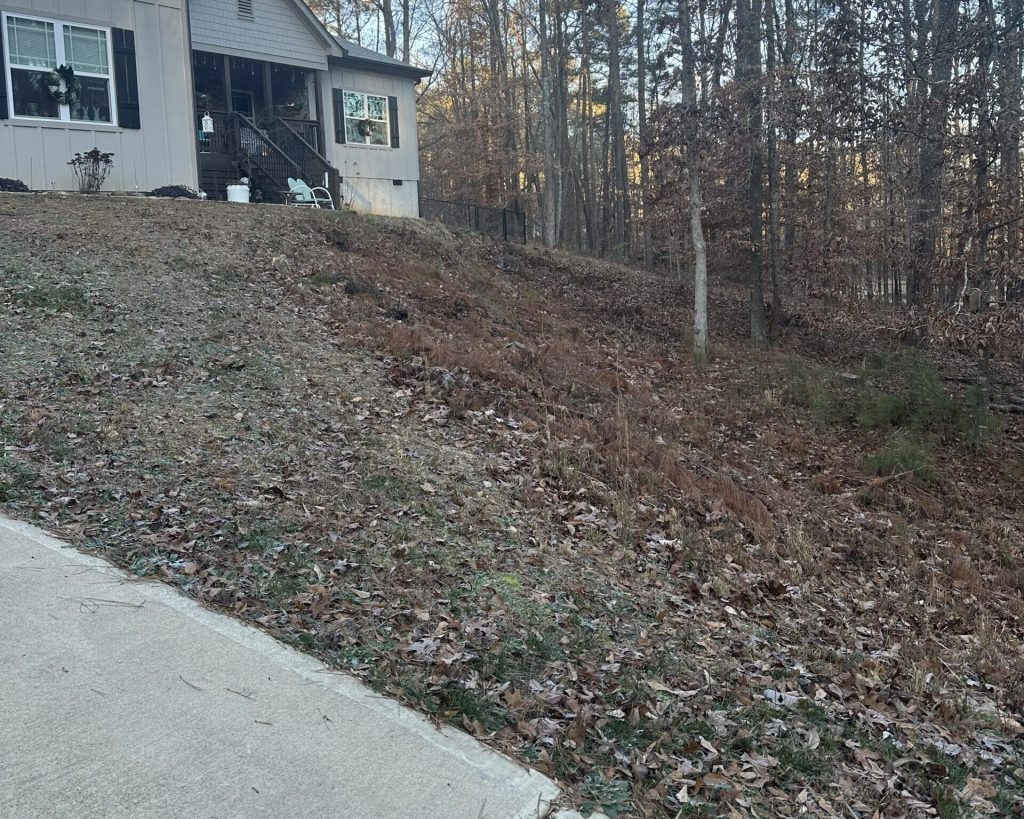
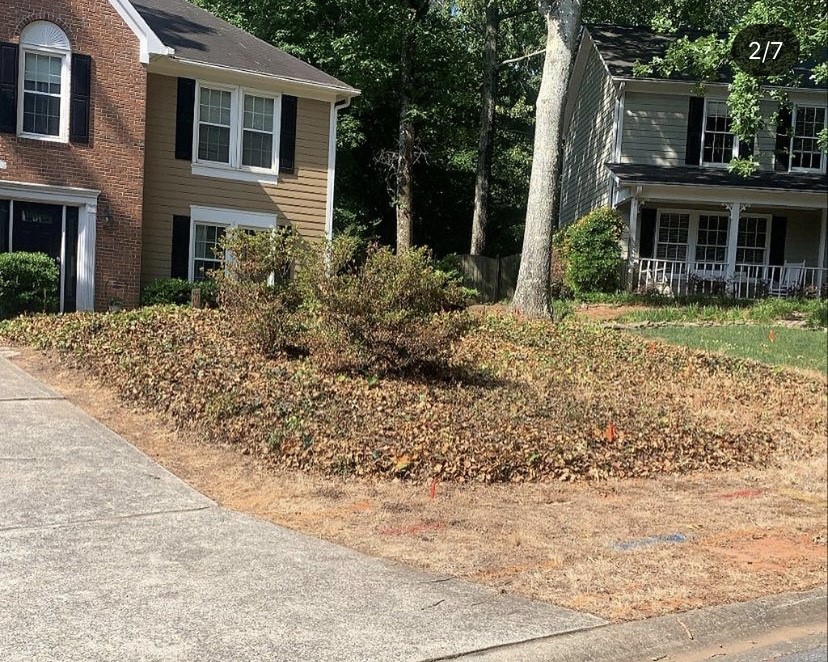
Every spring, Yancey County property owners watch the same thing happen. A hard Blue Ridge rainstorm rolls through, and hours later, their driveway is a river, their topsoil is gone, and their slope looks like it lost a fight.
That’s not bad luck. That’s what happens when steep mountain terrain meets unprotected disturbed soil.
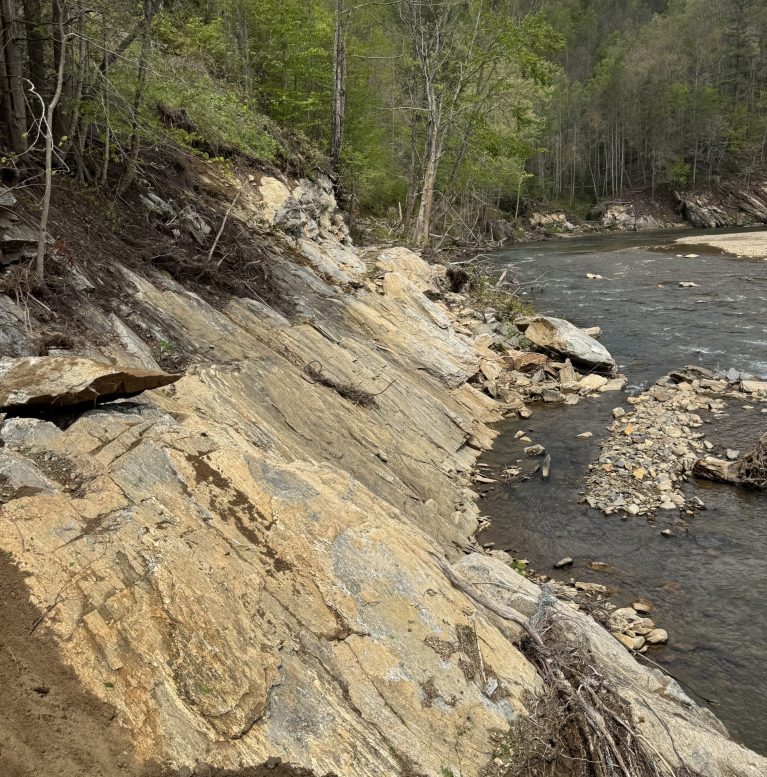
Properties near the South Toe River watershed and the Cane River corridor sit on some of the most erosion-prone ground in Western NC. The elevation drops are dramatic. The soils are thin. And the rainfall doesn’t trickle — it runs hard and fast off the Black Mountain range, taking everything loose with it.
Beyond the land damage, there’s a legal dimension most property owners don’t consider until it’s too late. Under the North Carolina Sedimentation Pollution Control Act, sediment washing off your property into local waterways isn’t just an environmental problem — it’s a fine waiting to happen.
Mitchell Construction Co. LLC protects your land equity, your foundation, and your compliance record before the next storm makes the decision for you.
Mike GonneringTrustindex verifies that the original source of the review is Google. We have worked with Beeman Excavating in the past. Their experience in multiple markets has shown through in the quality of their work. Recommend you give them a try! Jose GarciaTrustindex verifies that the original source of the review is Google. Hannah BeemanTrustindex verifies that the original source of the review is Google. Beeman Excavating is a great family owned company. They are easy to work with, responsive and respectful. I highly recommend them!
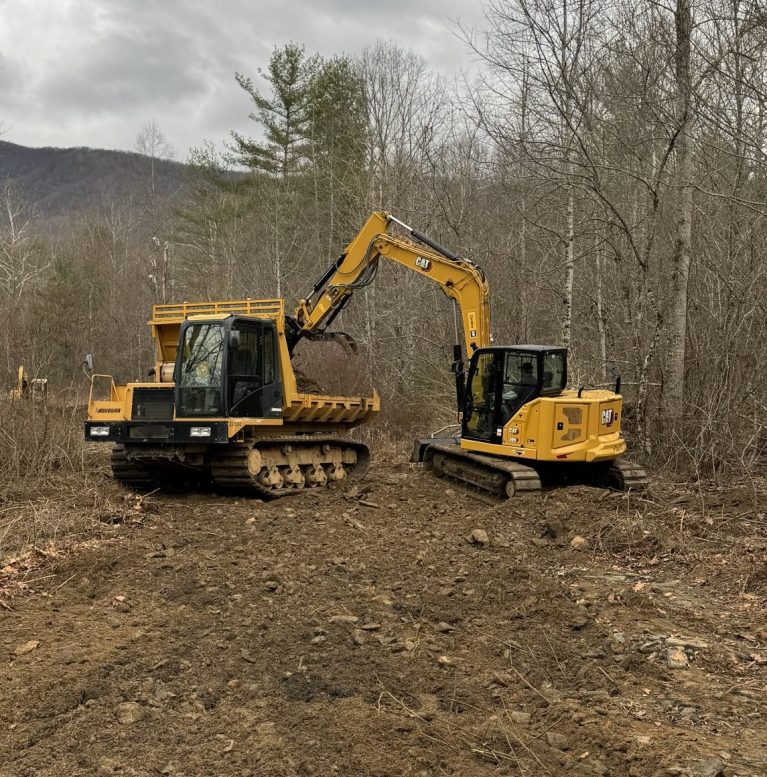
From residential projects to commercial developments, we provide end-to-end solutions for every stage of construction.
We don’t show up with one solution and apply it everywhere. Mountain terrain doesn’t work that way, and neither do we.
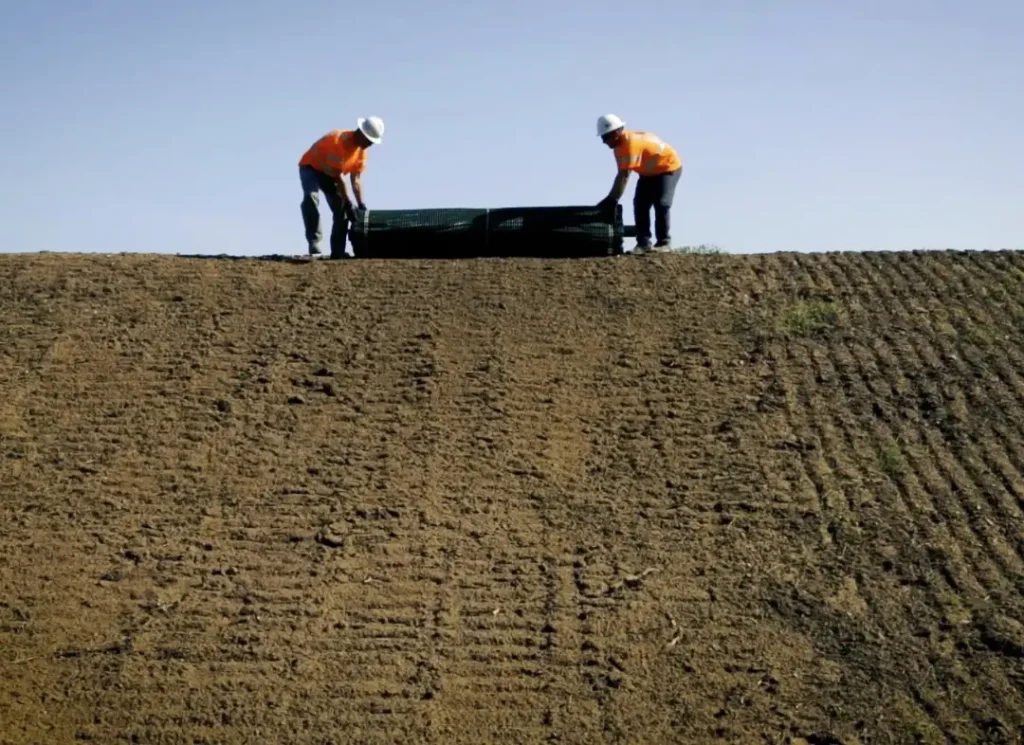
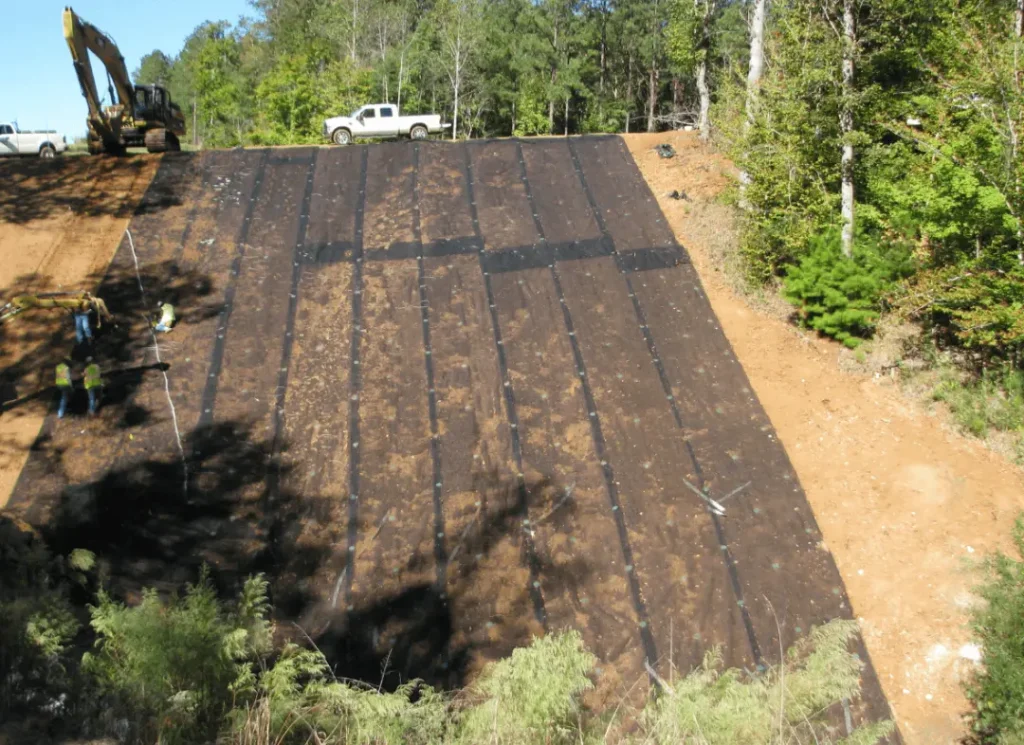
Every stabilization job starts with reading the site. We look at slope angle, soil composition, proximity to trout stream buffers, and where stormwater is moving — or about to move. Then we build a layered response.
First, we install reinforced silt fencing at the base of disturbed areas to intercept sediment-laden runoff before it reaches the South Toe River or any protected tributary. On active driveways and cut slopes, we cut broad-based dips and waterbars that redirect stormwater off the road surface and into vegetated areas — not downhill at full speed.
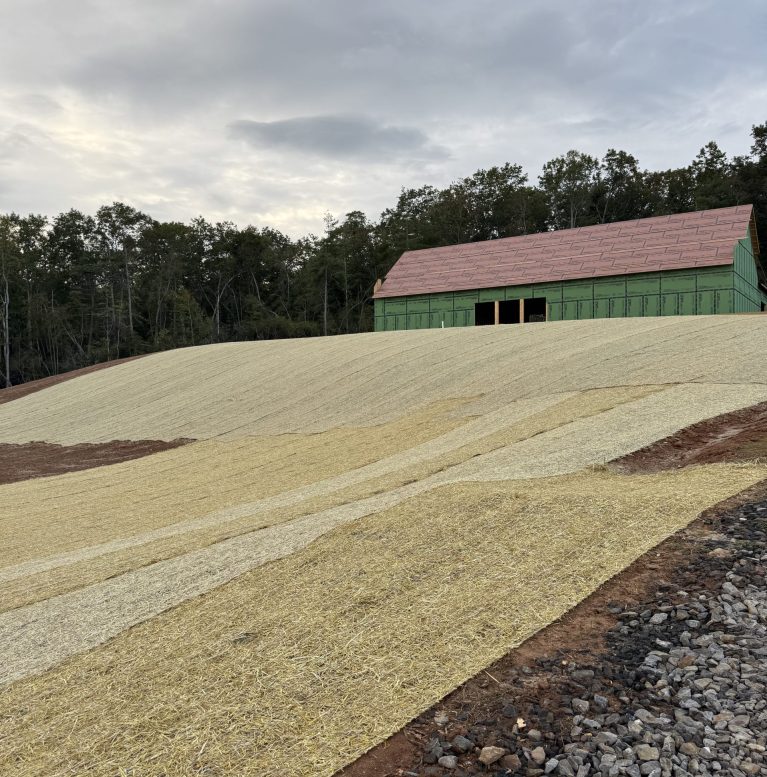
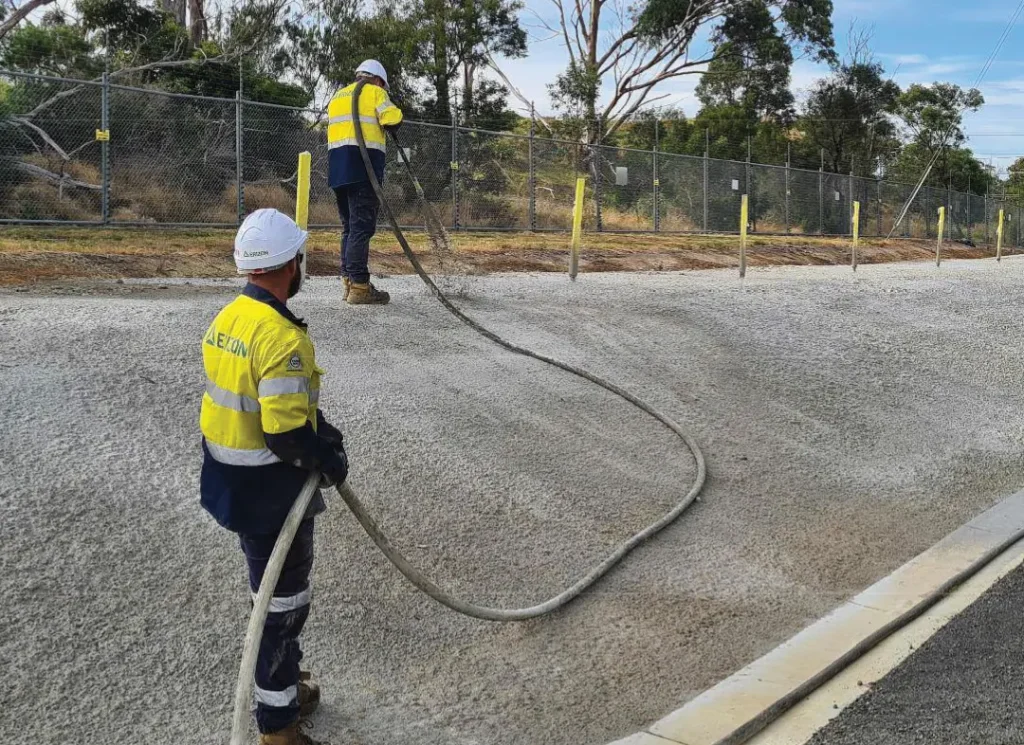
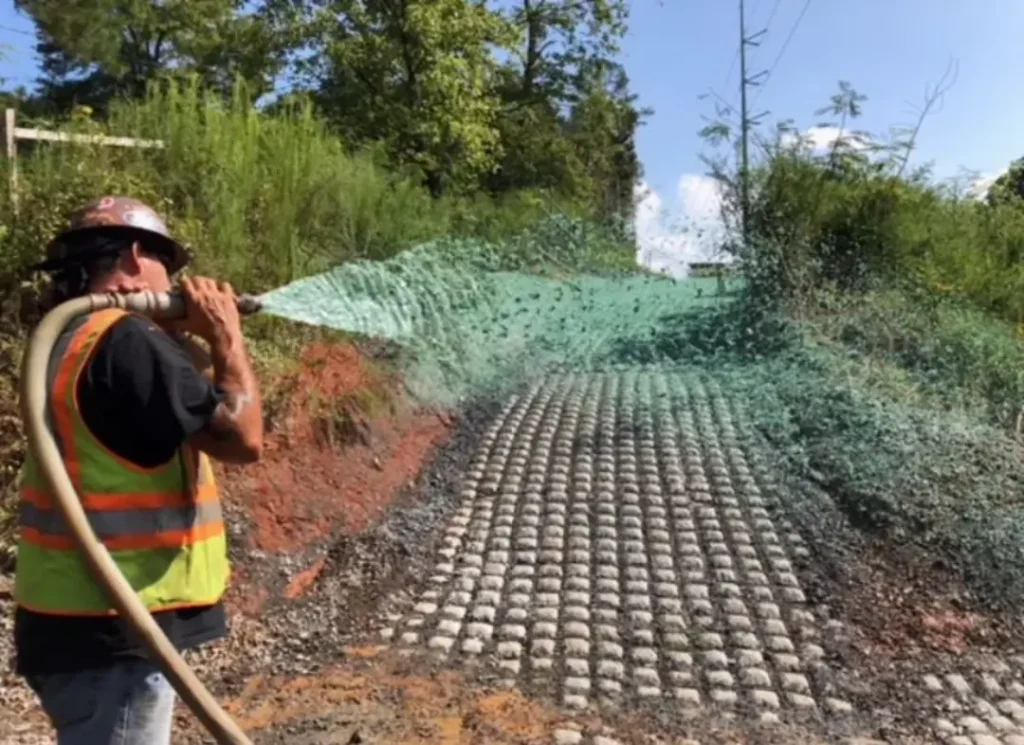
Once grading work is complete, we blow custom-blended hydroseed across bare slopes using high-tack binding agents formulated to hold on steep, rocky Appalachian soils. The seed mix is selected for Western NC’s climate and elevation, meaning faster germination and denser root coverage even on thin mountain ground.
The goal is permanent stabilization, not a patch job that fails when the next heavy rain hits Burnsville.
A landowner off NC Highway 80 in the Green Mountain area broke ground on a new home site and lost a significant section of their access cut to a single spring washout event. Mitchell Construction installed a full silt fence perimeter, cut three broad-based dips across the driveway grade, and applied hydroseed to all disturbed slopes. No further erosion occurred through the following wet season.
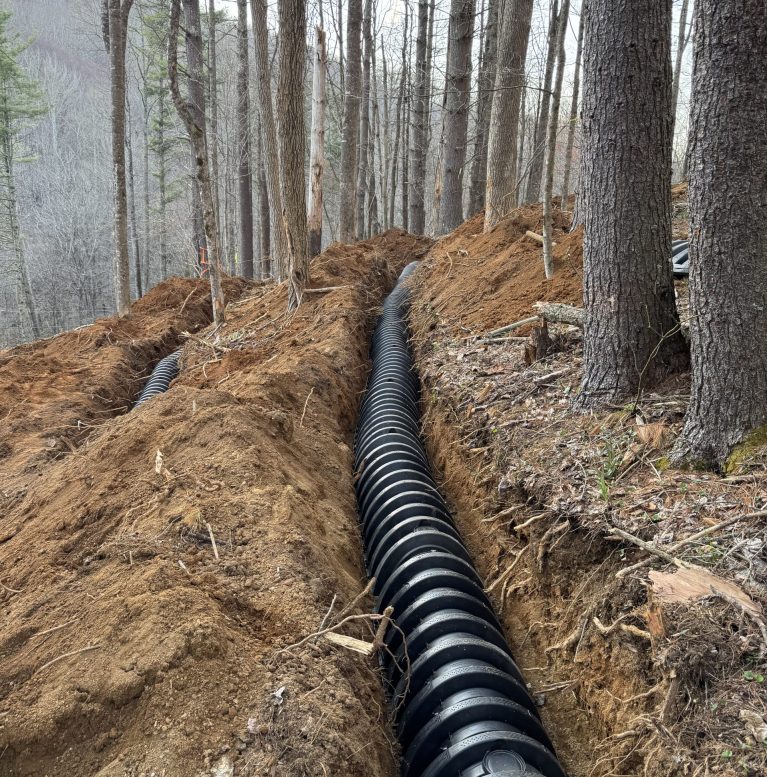
A property owner near the Cattail Creek community had battled recurring gravel washouts for three consecutive springs. Mitchell Construction engineered a permanent fix: properly sized culvert installation at two low crossings, rip-rap channel lining along the uphill ditch, and boulder check dams to slow runoff velocity. The driveway held through the next full winter freeze-thaw cycle without a single washout.
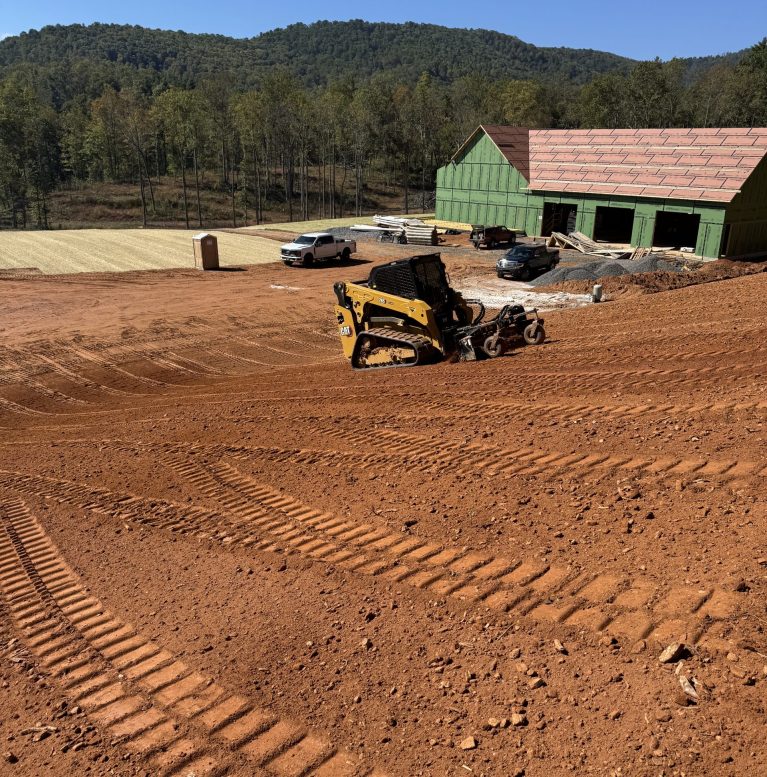
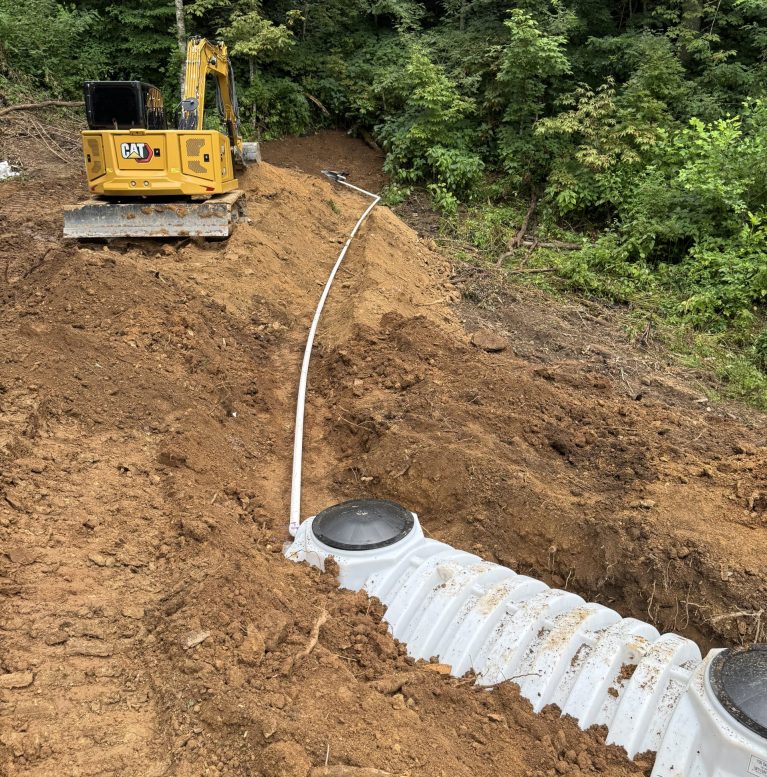
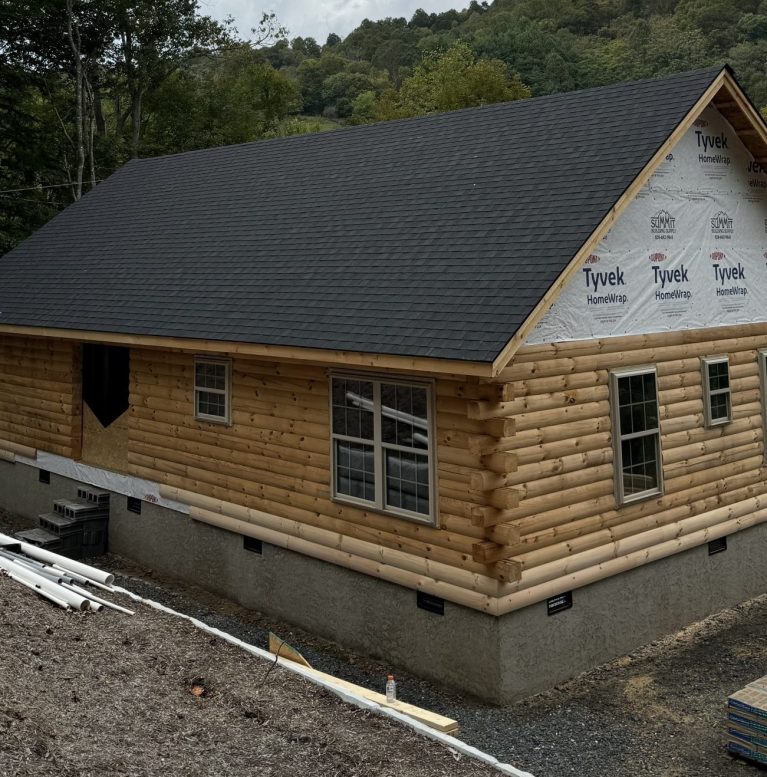
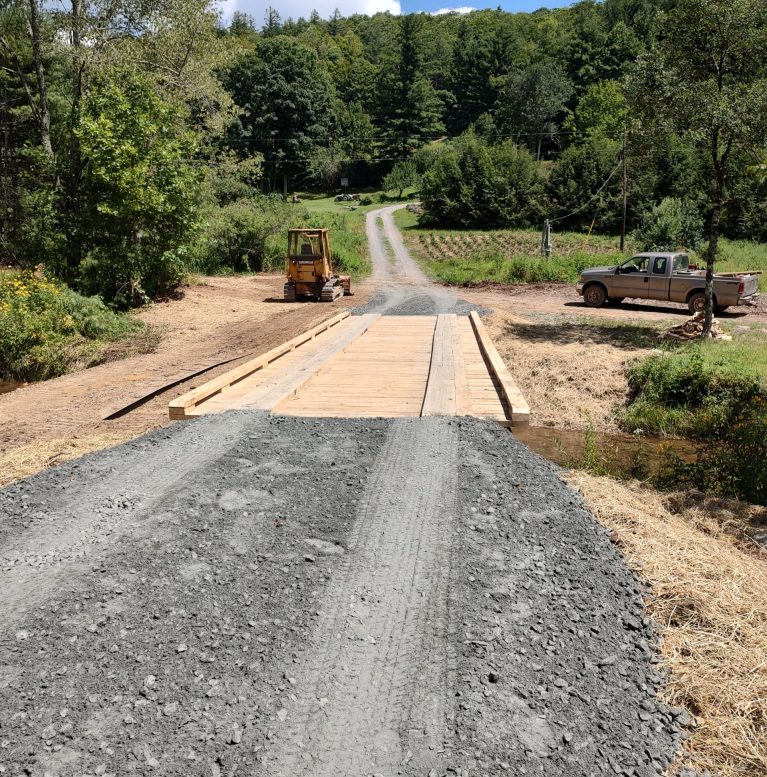
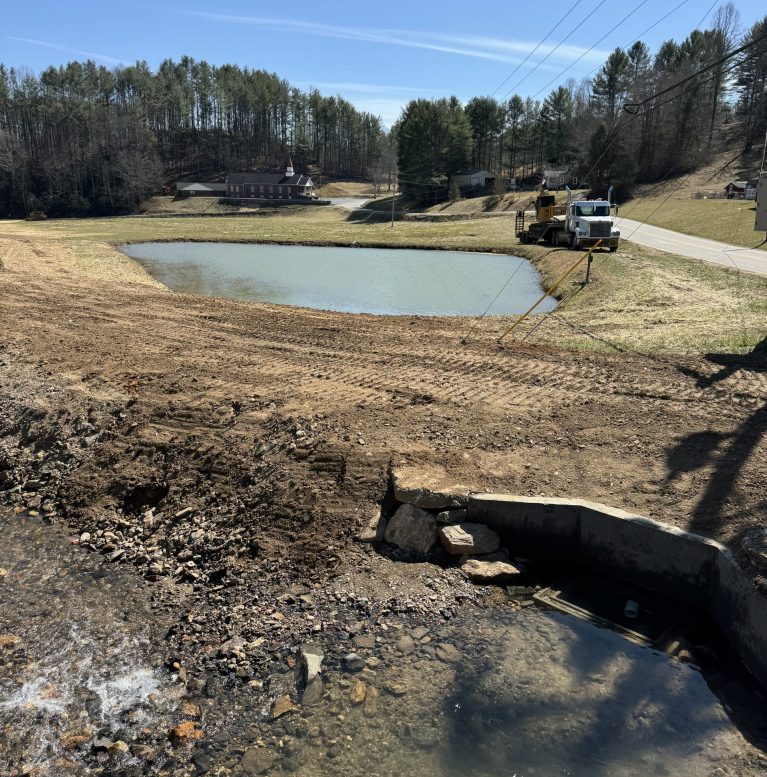
Take a look at some of our latest work. Scroll through the photos below to see our team in action and the results we deliver.
Yes, if your land-disturbing activity exceeds one acre, a state-approved Erosion and Sedimentation Control Plan is required before work begins. Smaller projects near trout stream buffers may also trigger NC DEQ review. We help you determine your threshold before you break ground.
Broad-based dips, properly sized culverts, and ditch lining with rip-rap are the permanent fix. Surface grading alone won’t hold on steep Yancey County terrain. The goal is redirecting stormwater off the driveway before it builds destructive velocity, not fighting it after the fact.
North Carolina requires a 25-foot undisturbed buffer along designated trout waters, including South Toe River tributaries. No grading, clearing, or land disturbance is permitted within that zone. Violations are enforced by NC DEQ and carry significant fines. We design every project around these boundaries from day one.
Yes, when the right mix is used. We select seed varieties proven in high-elevation Appalachian soils and apply them with high-tack binding agents that hold on near-vertical cuts. Standard hydroseeding formulas designed for flatland fail here. Blend and application rate make all the difference.
North Carolina law requires stabilization measures to be in place within seven days on any disturbed slope draining toward a waterbody. Given Burnsville’s rainfall patterns, waiting longer than that is a risk regardless of the legal deadline. We install silt fencing same-day on active grading sites.