Digging Deep. Delivering Excellence.
Burnsville sits at roughly 2,800 feet. That elevation is actually an advantage for solar. Cooler ambient temperatures improve panel efficiency in ways most homeowners don’t expect. The physics are straightforward: solar panels produce more power when they run cool, and the High Country delivers that naturally.
But the mountains give with one hand and take with the other.
Heavy winter snow loads, sustained ridge-line winds, and the diffused “cloud soak” light common across the Pisgah Forest area all put real stress on poorly specified systems. A rack engineered for a coastal Carolina roofline is not the right rack for a Yancey County winter.
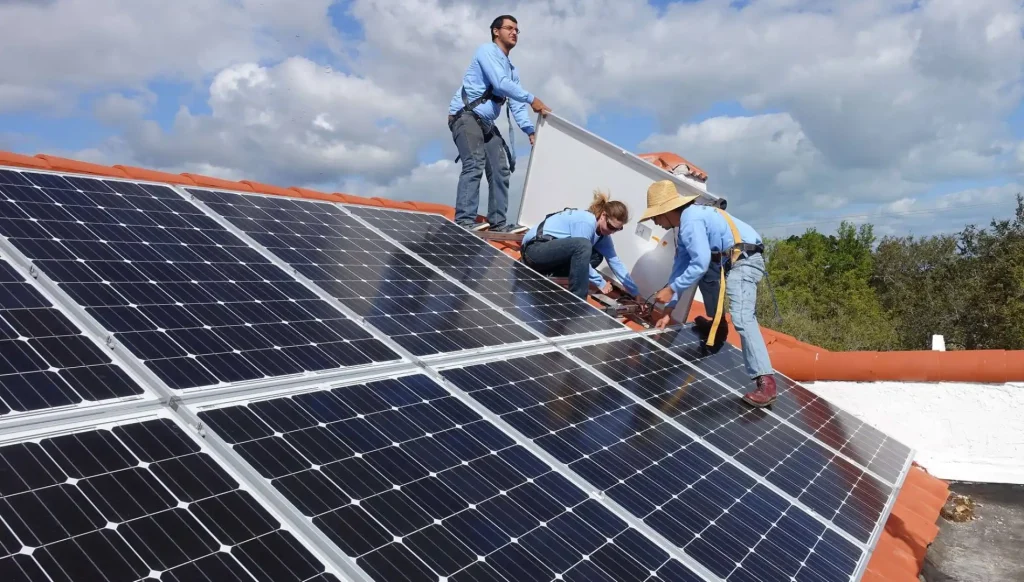
Mitchell Construction Co. LLC specs every system for where it actually lives. That means racking systems rated for NC snow and wind load requirements, high-efficiency panels selected for performance in ambient and diffused light conditions, and mounting hardware installed to outlast the weather this region throws at it year after year.
If a solar company hasn’t mentioned snow loading or cloud-diffused output in their pitch, they haven’t done their homework on your property.
Mike GonneringTrustindex verifies that the original source of the review is Google. We have worked with Beeman Excavating in the past. Their experience in multiple markets has shown through in the quality of their work. Recommend you give them a try! Jose GarciaTrustindex verifies that the original source of the review is Google. Hannah BeemanTrustindex verifies that the original source of the review is Google. Beeman Excavating is a great family owned company. They are easy to work with, responsive and respectful. I highly recommend them!
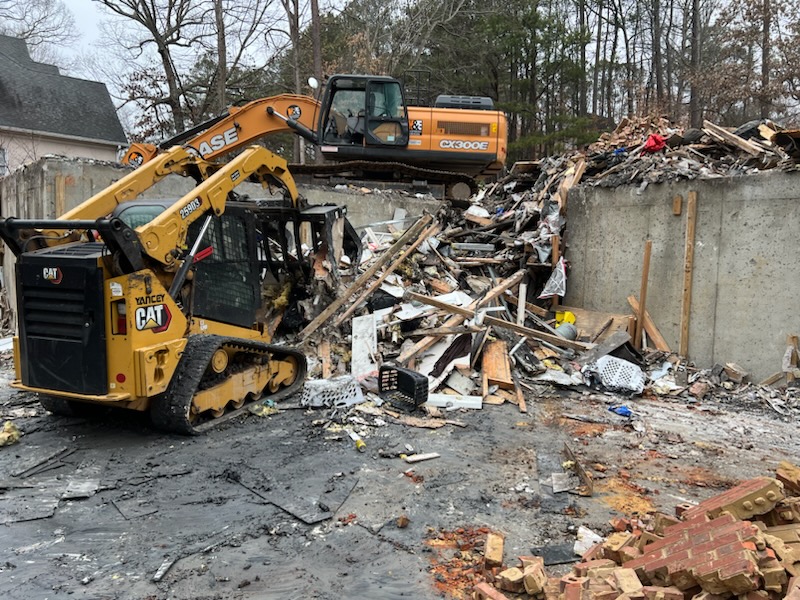
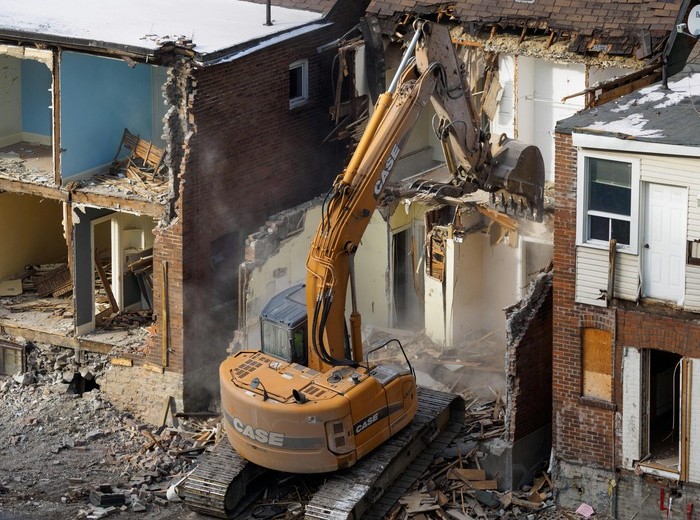
From residential projects to commercial developments, we provide end-to-end solutions for every stage of construction.
The hardware is only half the job. Getting a solar system legally connected and producing power requires navigating a permitting and utility approval process that stops a lot of homeowners cold.
In Burnsville, your utility is French Broad Electric Membership Corp. FBEMC has its own interconnection application process, and their net metering NC policies directly determine how much credit you earn for the excess power your system sends back to the grid. Understanding that relationship before you design a system isn’t optional. It shapes everything from system size to payback period projections.
On the county side, Yancey County Building Inspections requires electrical and structural permits for all solar installations. Ground-mounted arrays near the Cane River basin may also trigger additional Floodplain and Watershed Permit review through the local office on Medical Campus Drive.
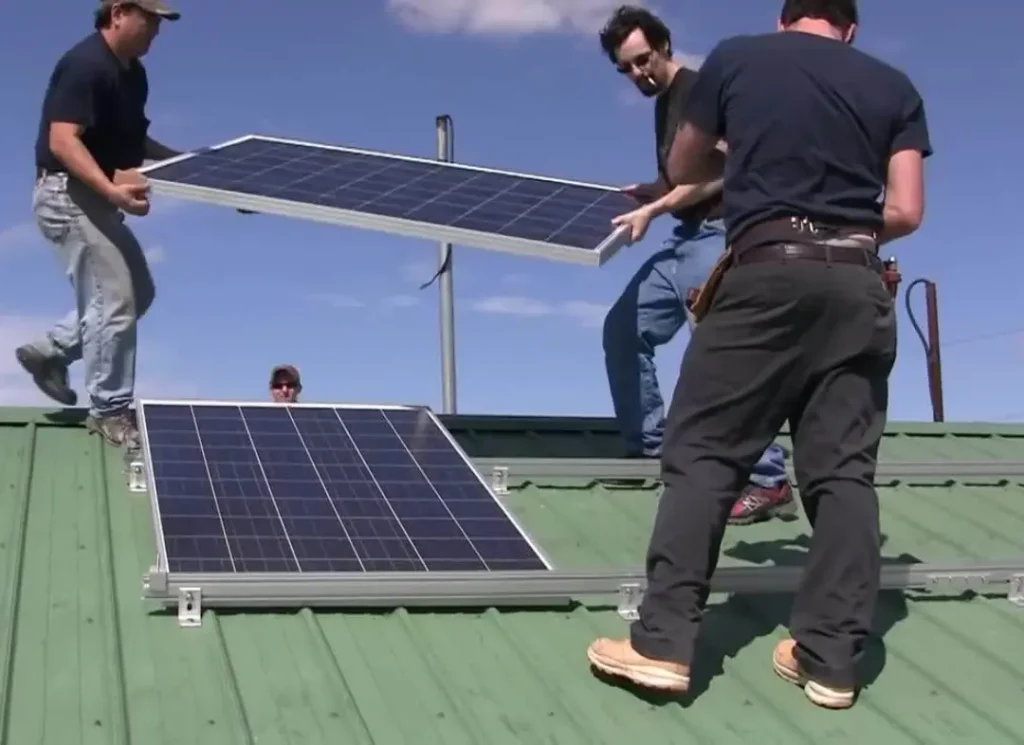
Mitchell Construction handles every layer of this process. We prepare and submit your FBEMC interconnection application, pull the required Yancey County permits, coordinate inspections, and manage final utility sign-off. You don’t make phone calls chasing paperwork. We do. The goal is a turn-key installation where your only job is watching the meter run backward.
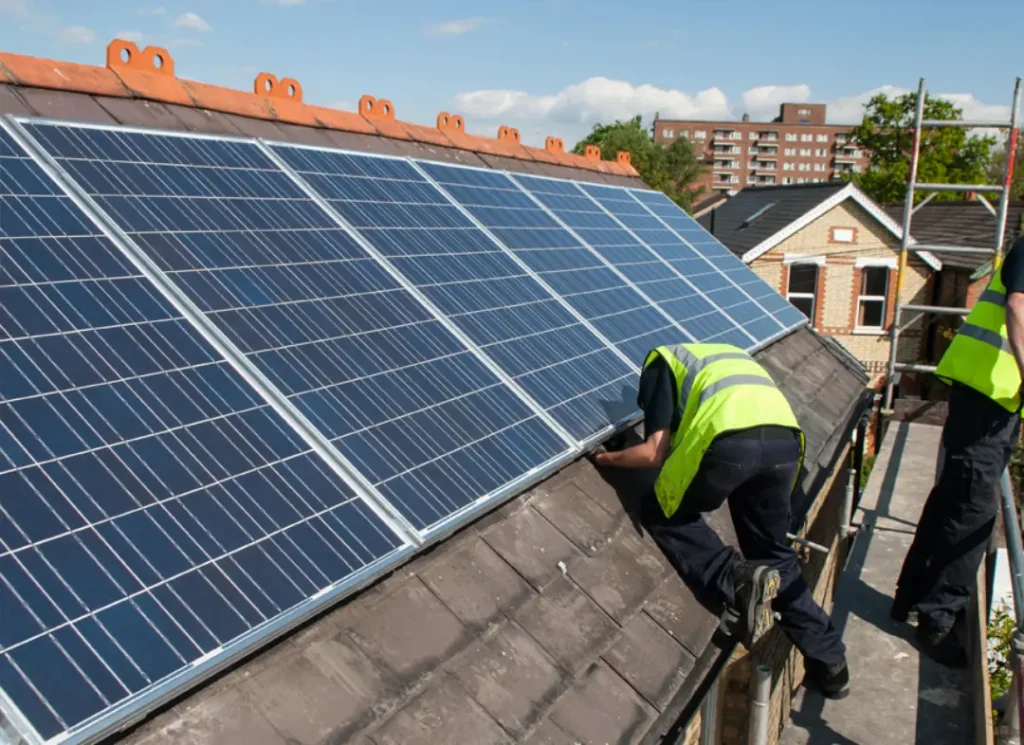
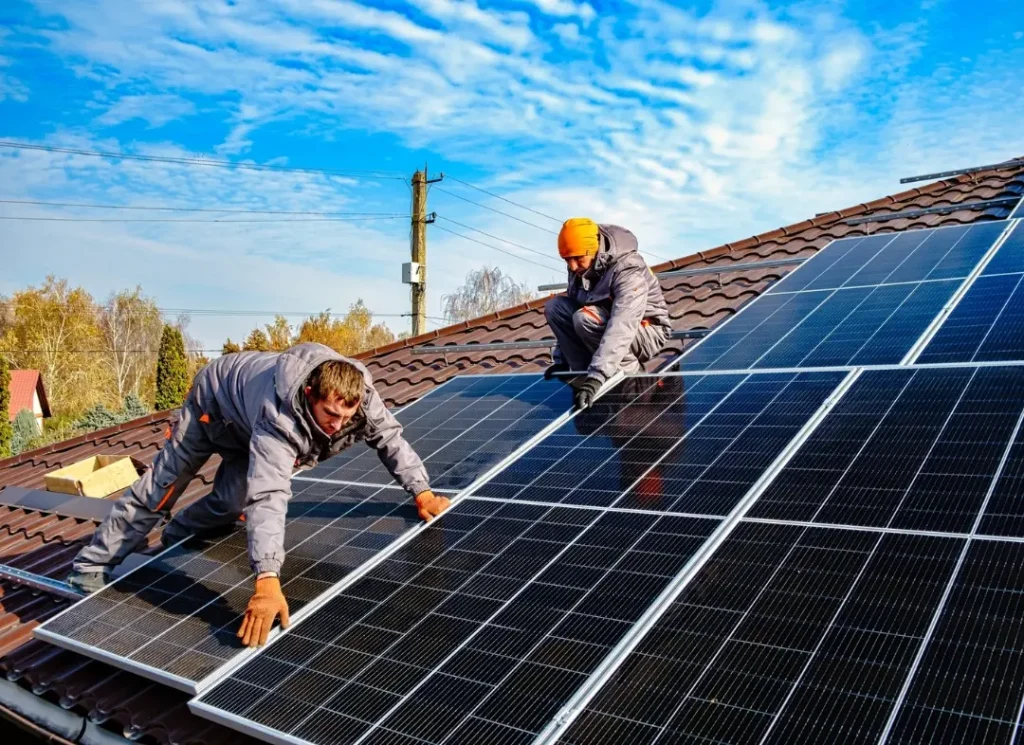
A Yancey County homeowner on a south-facing ridge had a structurally sound metal roof but needed snow-load verification before any installation could proceed. Mitchell Construction completed the structural assessment, permitted through Yancey County Building Inspections, installed a 14-panel high-efficiency system, and filed the FBEMC interconnection paperwork. The system passed final inspection and was producing power within six weeks of the signed contract.
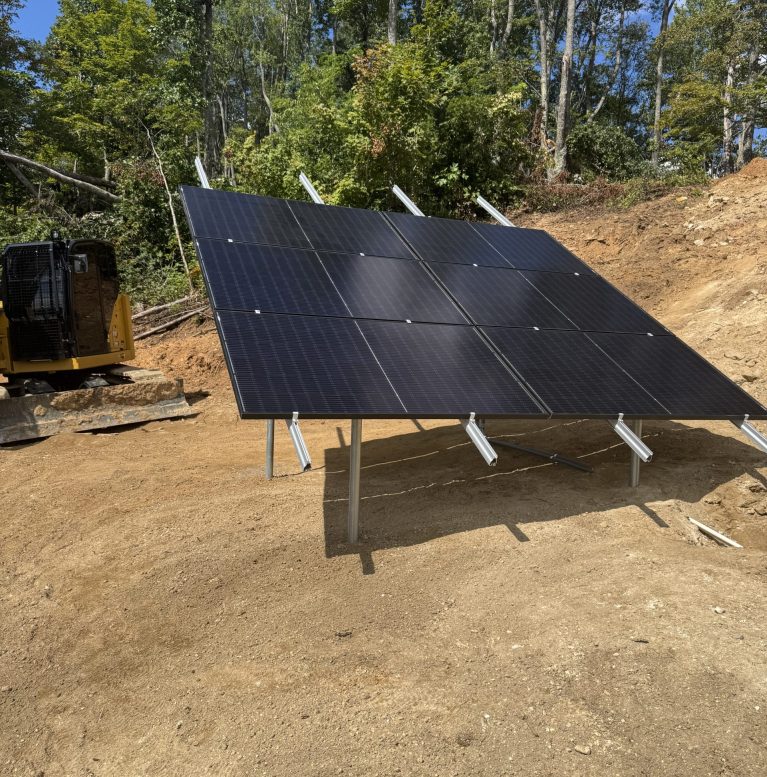
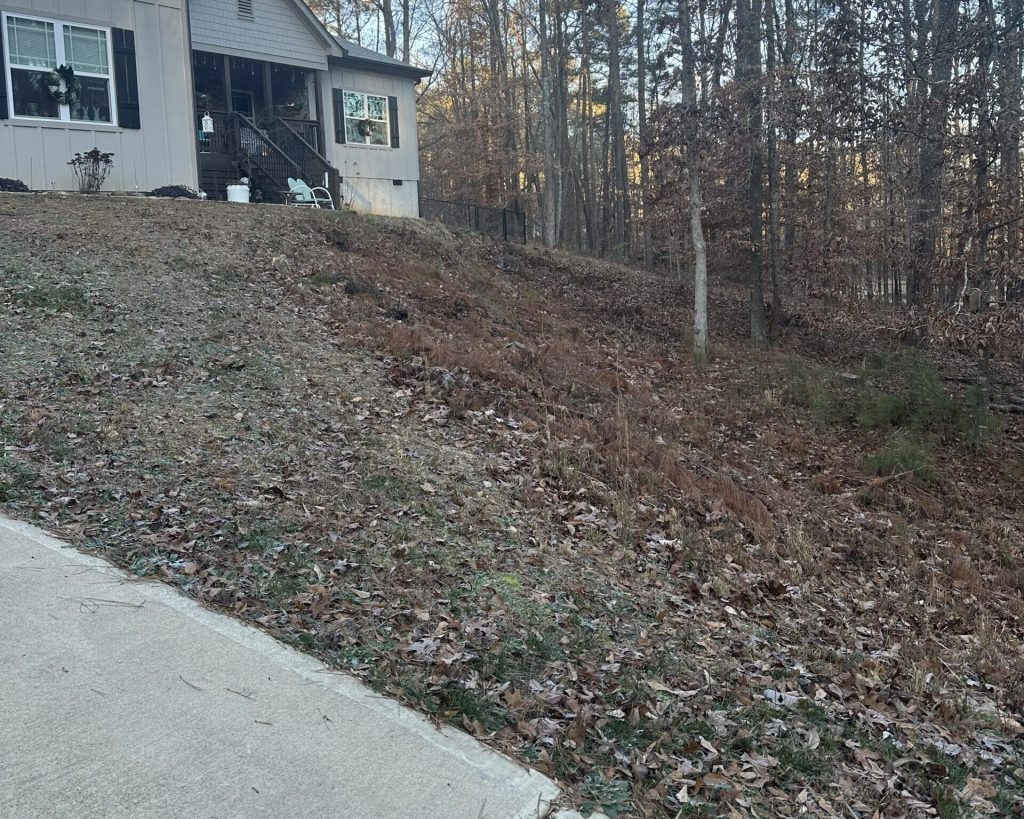
A property owner with significant open acreage but a heavily shaded roofline needed an alternative solution. We designed and installed a ground-mount solar array positioned to maximize daily sun exposure across the open field. The project required a Watershed Permit review given proximity to a tributary of the Cane River. Mitchell handled permitting, grading, and full FBEMC interconnection. The system is paired with battery backup for storm-season resiliency.
Take a look at some of our latest work. Scroll through the photos below to see our team in action and the results we deliver.
Not automatically. Standard grid-tied solar shuts down during outages for safety reasons. To maintain power when the grid goes down, you need a battery backup system — such as a Tesla Powerwall — integrated at installation. We design outage-ready systems for exactly this reason.
It depends on the structure, not the zip code. We assess roof framing, age, and pitch before committing to any rooftop installation. Yancey County’s snow load requirements add a real variable. If your roof doesn’t qualify, a ground-mount system on your acreage is a high-performing alternative.
Most WNC systems with FBEMC net metering and the full Federal Solar Tax Credit (ITC) see payback periods of 7 to 10 years. System size, shading, and your current utility consumption rate all affect that number. We run site-specific projections — not national averages — before you sign anything.
Yes, FBEMC currently participates in net metering under North Carolina utility rules. Excess power your system generates gets credited against your bill. It’s a primary driver of your long-term ROI and a factor we account for in every system we size for this service territory.
Possibly. Yancey County’s Floodplain and Watershed Permit requirements apply to ground-disturbing work near regulated waterways and their tributaries. If your property falls within that zone, we identify it early and route the application through the correct review process at the county offices on Medical Campus Drive before any equipment is ordered.