Digging Deep. Delivering Excellence.
Asheville land does not forgive shortcuts. Steep Blue Ridge grades and dense red clay punish any crew that treats a mountain lot like a flat suburban yard. We know this ground because we work it every season, from Biltmore Forest estates to fresh cuts in Weaverville.
Mitchell Construction Co. LLC builds every hydroseeding job around one goal: grass that roots and soil that stays put. We test your soil’s pH before we mix a single tank. Asheville’s clay runs acidic, so we amend the slurry with lime to give seed a real chance. We pick seed blends like Turf-Type Tall Fescue that handle WNC summers and cold mountain winters.
We also understand the paperwork side. Builders and site managers across Buncombe County count on us for steep slope erosion control that holds up to inspection. When an inspector walks your site, you want stabilized ground, not bare mud and silt fence failures.
You get straight answers, a clear scope, and a crew that shows up when we say. No inflated promises. Just engineered results on hard terrain.
That is why homeowners, landscapers, and contractors from Henderson County to Haywood County call us first.
From residential projects to commercial developments, we provide end-to-end solutions for every stage of construction.
Speed matters on a mountain site. Every day raw clay sits exposed is another day a storm can carve gullies into your grade. Our process is built to close that window fast.
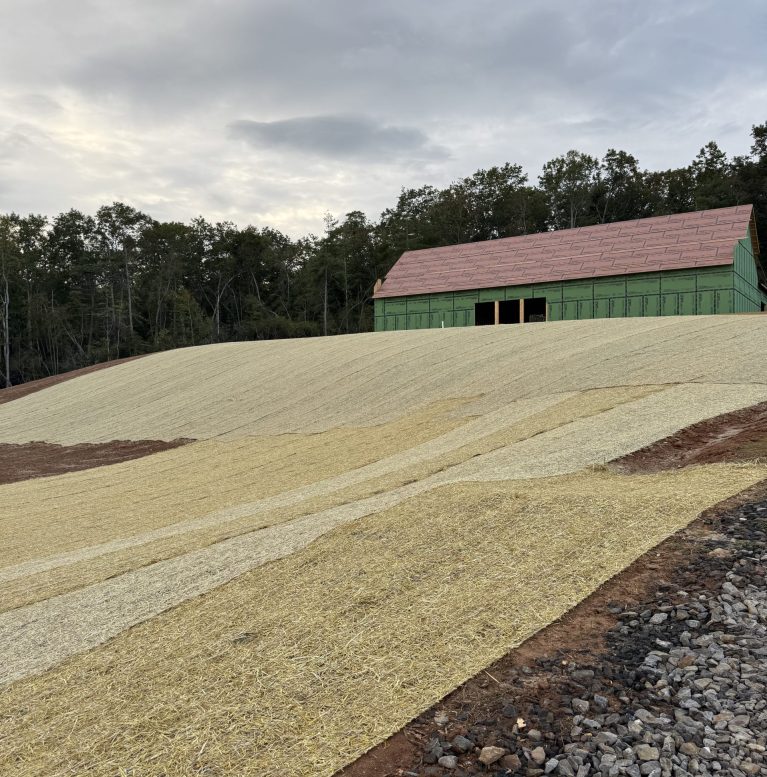
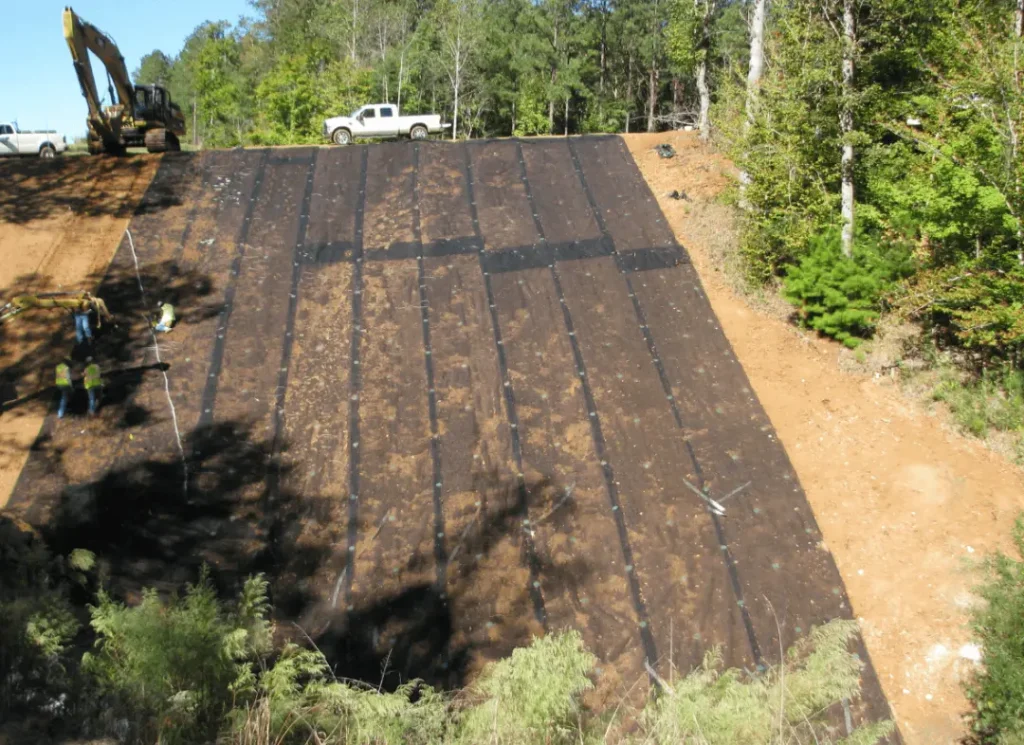
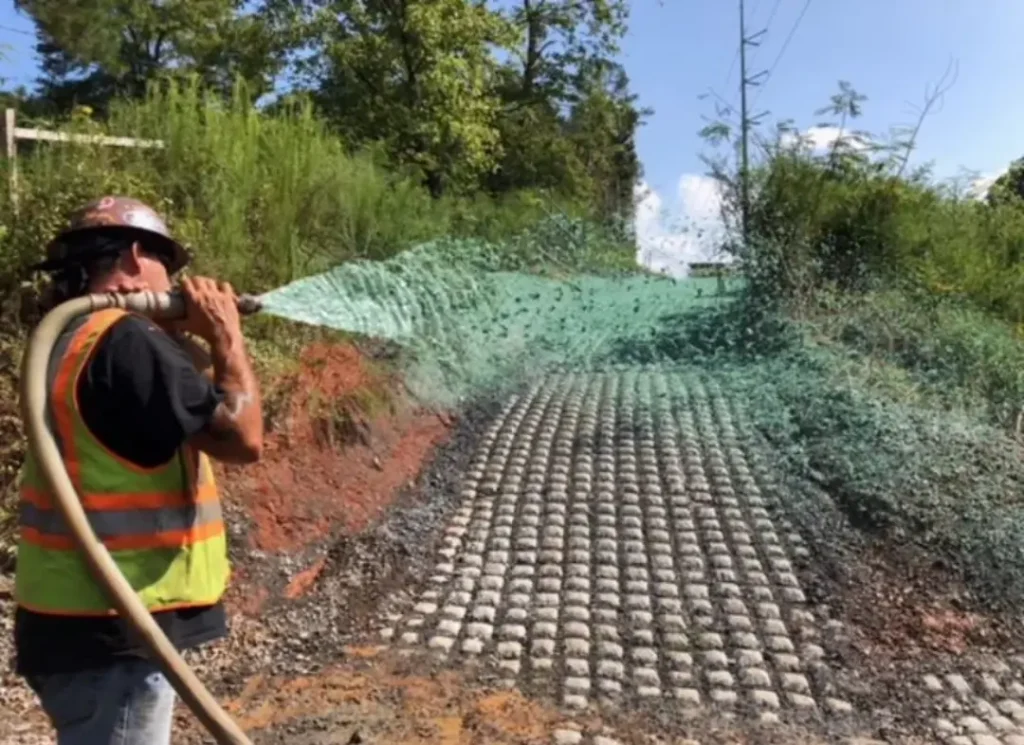
We start with a soil and grade assessment. Whether you have a flat lawn in Kenilworth or a 2:1 cut bank on Town Mountain, we measure slope and compaction before choosing a mix. Then we build the slurry for your site. Gentle grades get tackified wood-fiber hydromulch. Steep cuts and retaining wall backfills get Bonded Fiber Matrix (BFM) hydroseeding, which cures into a continuous blanket that grips clay.
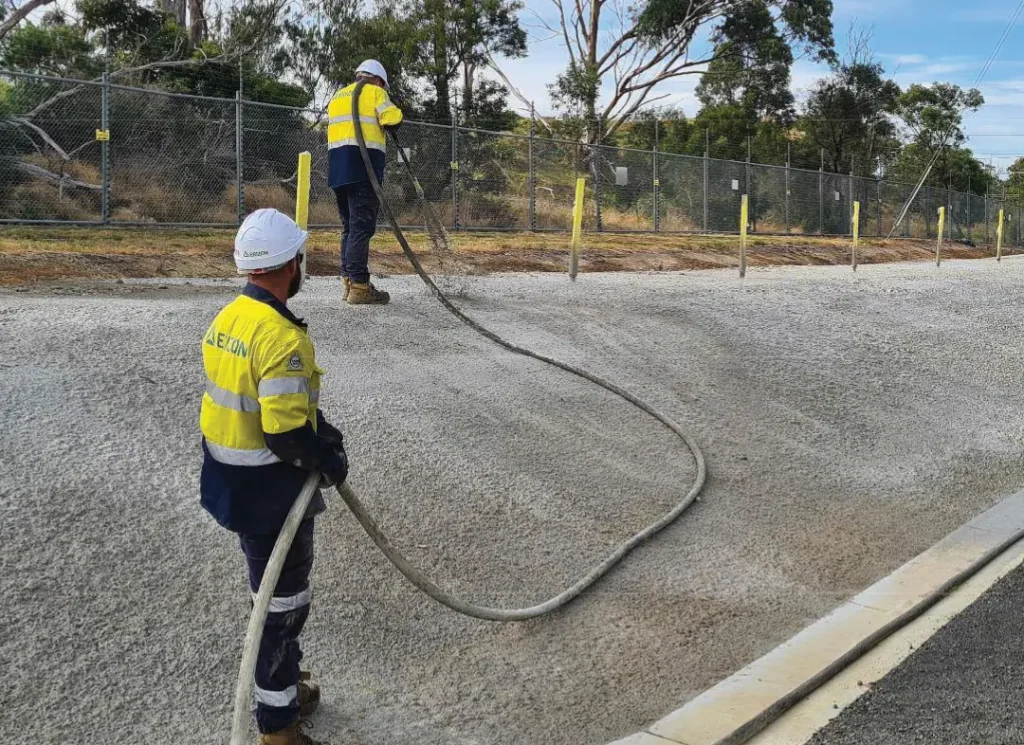
Our high-pressure rigs spray from the truck or by hose, so we reach banks that straw blowers and spreaders cannot. Seed, mulch, fertilizer, and lime hit the soil in one pass.
We cover job sites along the I-26 and I-40 corridors throughout Buncombe County, so you are not left waiting on a crew from three counties away.
Before we leave, you get a written WNC watering schedule built for your site. Follow it, and you can expect germination in 7 to 10 days. Fast, clean, and done right the first time.
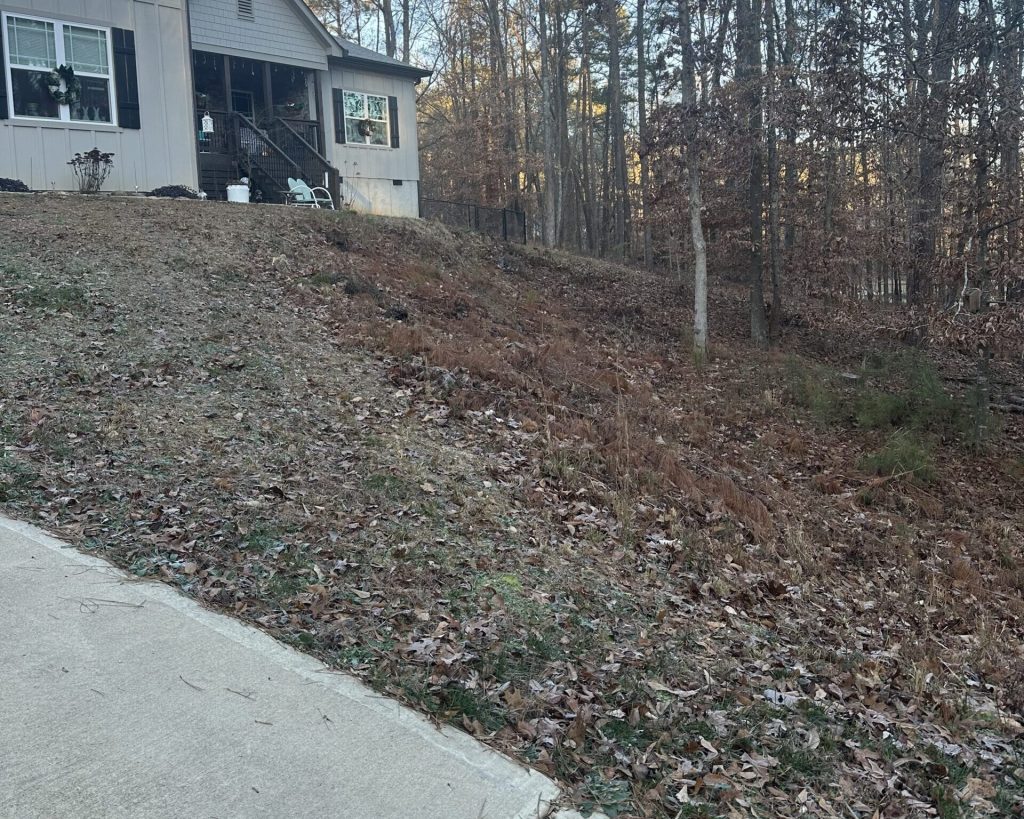
A homeowner off Haywood Road had a bare backyard slope that washed out after every storm. Dry seed and straw had failed twice. We tested the red clay, added lime to the slurry, and sprayed a tackified fescue mix. Grass broke ground in nine days. The slope held through the next heavy rain with no washout.
A residential builder near Lake Louise needed a fresh cut bank stabilized before a Buncombe County erosion control inspection. The 2:1 grade was raw clay above a new retaining wall. We applied Bonded Fiber Matrix with a cool-season seed blend. The BFM cured within 48 hours, held through a mountain downpour, and the site passed inspection on schedule.
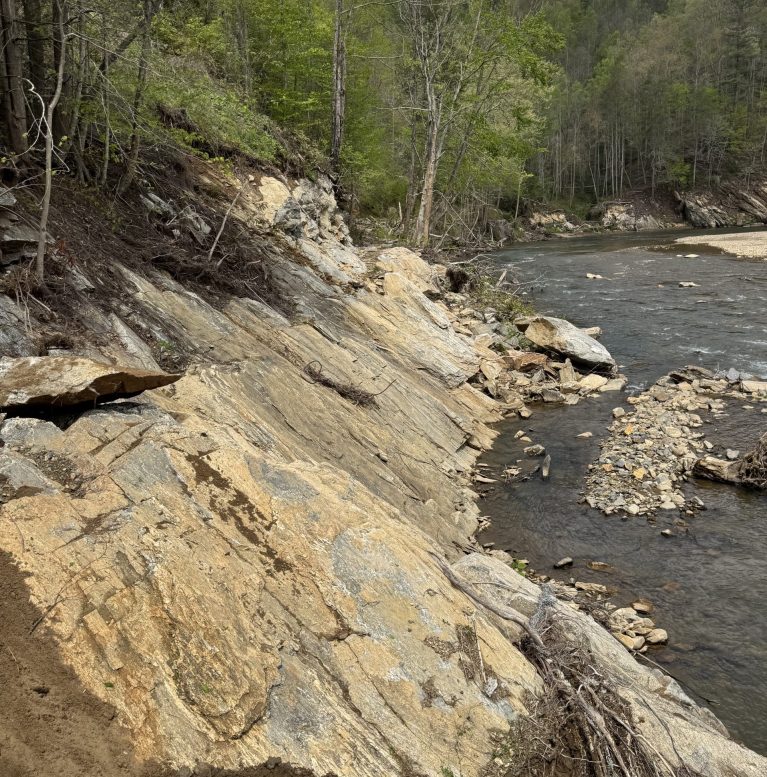
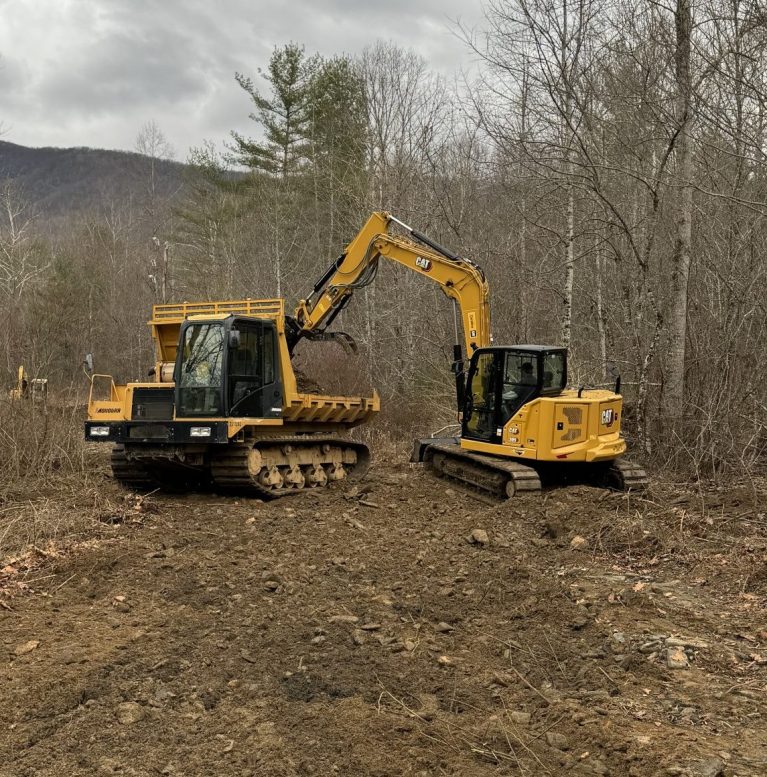
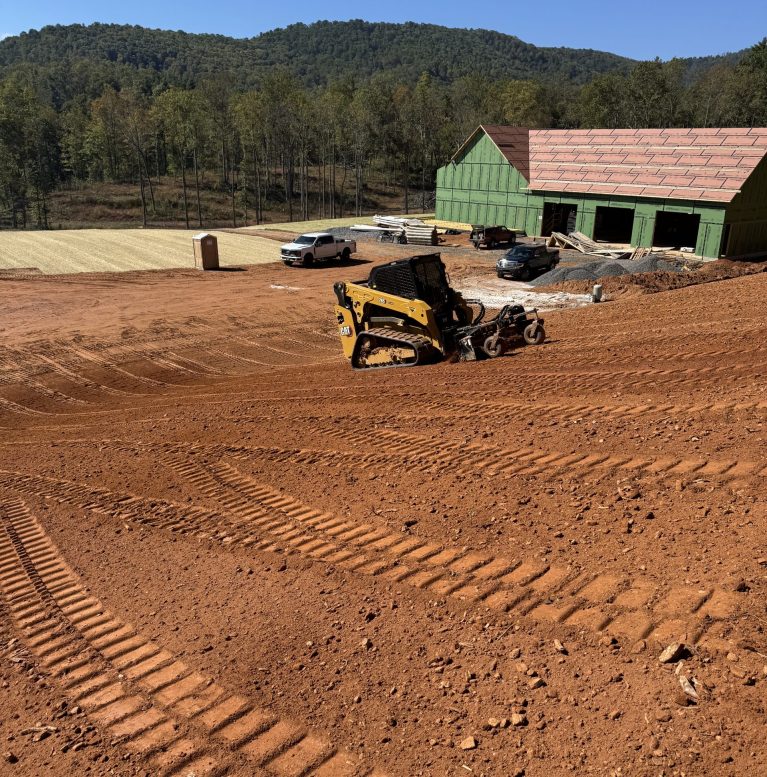
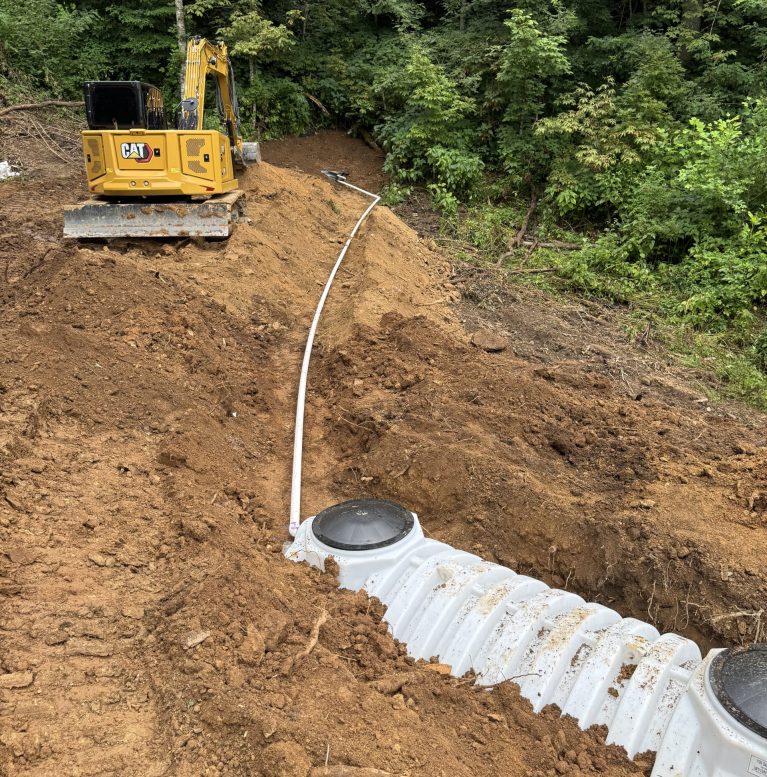
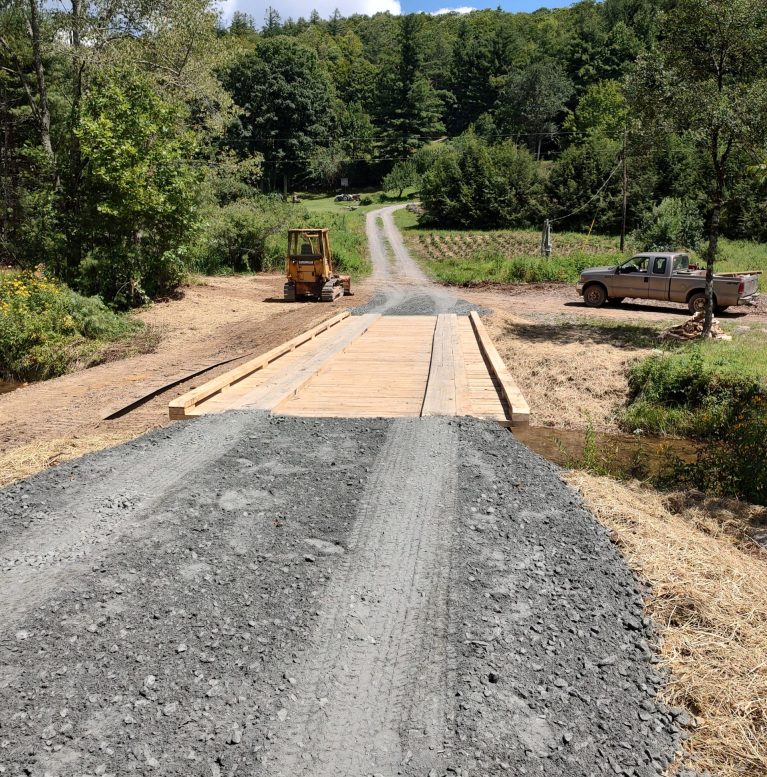
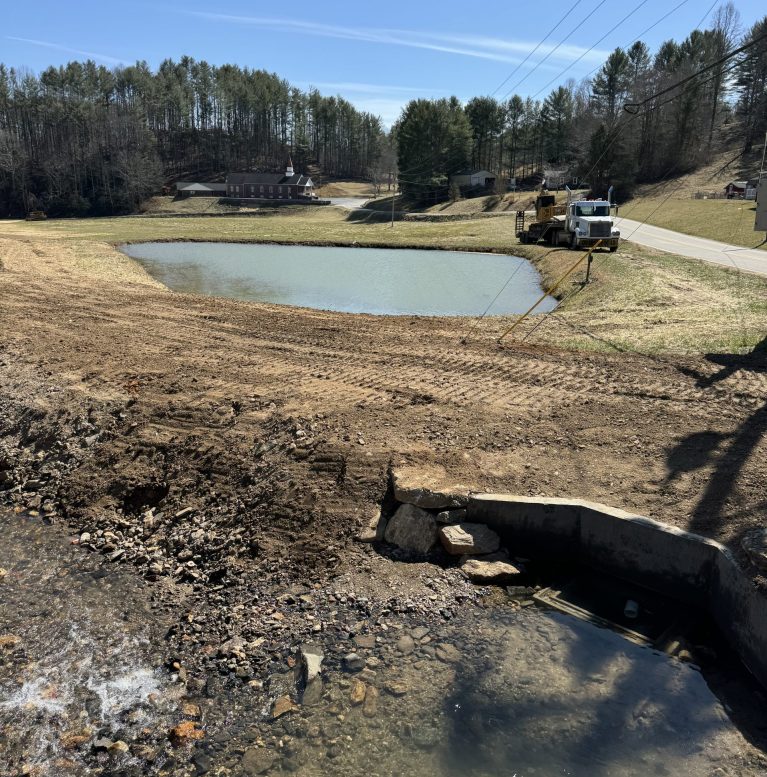
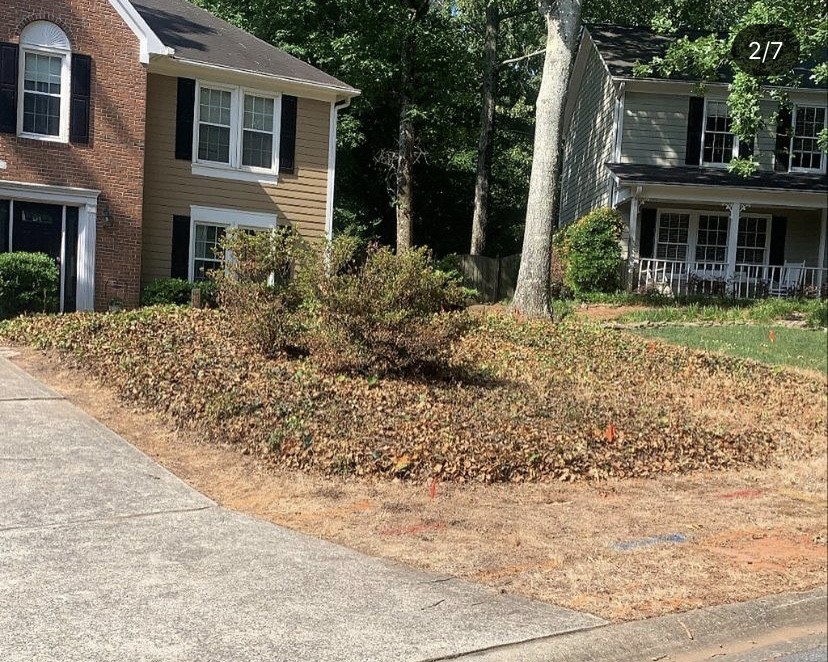
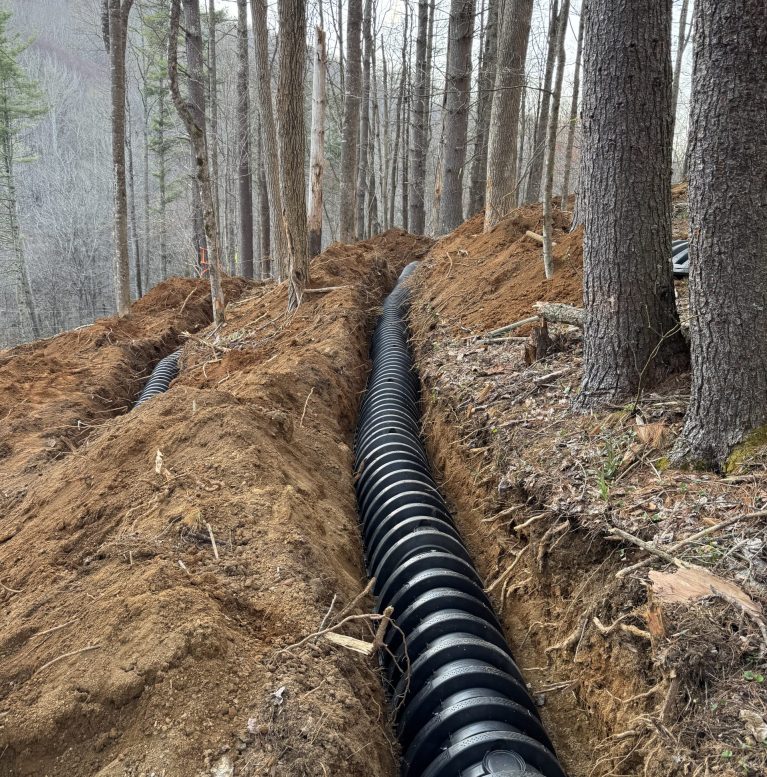
Take a look at some of our latest work. Scroll through the photos below to see our team in action and the results we deliver.
Very well when the mix matches the slope. On grades steeper than 3:1, we use Bonded Fiber Matrix, which cures into a continuous blanket that grips clay and resists washout from heavy Western NC storms while seed roots.
Yes. We test pH first, then blend lime and fertilizer into the hydroseed slurry. The wet mulch holds moisture against the clay, giving seed the contact and nutrients it needs to root in Asheville’s acidic soil.
The hydromulch gives you ground cover the day we spray. With proper watering, seed germinates in 7 to 10 days, building the permanent vegetation Buncombe County inspectors want to see.
Usually, yes. Hydroseeding typically costs a fraction of sod, and it works on steep slopes where sod is hard to lay and pin. Final cost depends on acreage, grade, and whether your site needs BFM.
Early fall, from late August through October, is ideal for cool-season fescue in the mountains. Spring works too. For active construction sites, we use temporary seed mixes in other seasons to keep stabilization on track.